



A decade ago, most people walked into aesthetic clinics with a single question:
“Can you fix this?"
Today, the question has quietly changed to something far more interesting:
“How do I stop this from getting worse?"
This shift, subtle but powerful, is the reason why preventive aesthetics is emerging as one of the most important conversations in modern aesthetic medicine. People are no longer waiting for wrinkles to deepen, skin to sag, or facial volume to disappear before seeking help. Instead, they want to understand what preventive aesthetics is, how it works, and whether acting early truly makes a difference.
The short answer? Yes.
The long answer is worth exploring.
The Ageing We Don’t See (Until It’s Too Late)
Ageing doesn’t begin when wrinkles appear. It starts quietly, beneath the surface.
By our mid-20s:
- Collagen production slows down
- Skin elasticity begins to decline
- Facial fat pads subtly shift
These changes don’t show up overnight. But year after year, they compound. And by the time we notice early signs of ageing on the face, much of the structural change has already occurred.
This is where preventive anti-ageing treatments in Mumbai come into the picture, not as a cosmetic trend, but as a biological response to how ageing actually works.
Preventive Aesthetics Meaning: More Preservation, Less Correction
To understand the rise of preventive care, it helps to clearly define it.
Preventive aesthetics focuses on:
- Slowing down visible ageing
- Preserving skin quality and facial structure
- Supporting long-term skin health
Unlike corrective procedures, which aim to reverse visible damage, preventive aesthetics works before wrinkles deepen and before sagging becomes pronounced.
In simpler terms:
Corrective aesthetics fixes what has already changed.
Preventive aesthetics protects what you still have.
This difference is why conversations around preventive aesthetics vs corrective surgery are becoming increasingly relevant.
Preventive Aesthetics vs Corrective Surgery: A Shift in Mindset
Corrective surgery has its place, and always will. But it often comes into play after ageing has progressed.
Preventive aesthetics, on the other hand:
- Uses minimally invasive aesthetic procedures
- Relies heavily on non-surgical anti-ageing treatments
- Focuses on subtle, gradual improvement
- Prioritises natural-looking outcomes
When comparing preventive aesthetics vs plastic surgery, the key distinction isn’t effectiveness; it’s timing.
Many experts now believe that preventive aesthetics can delay plastic surgery, or in some cases, reduce the extent of surgical correction needed later.
Why Preventive Aesthetics Is the Future
There are several reasons why clinicians worldwide believe preventive aesthetics is the future:
- Patients are better informed and research-driven
- There is growing awareness around ageing prevention treatments for skin
- People prefer subtle changes over dramatic transformations
- Safety, downtime, and longevity matter more than ever
From a medical perspective, early intervention supports:
- Collagen preservation treatments
- Facial volume loss prevention
- Healthier skin architecture over time
This isn’t about chasing youth; it’s about ageing well and intentionally.
The Signs of Ageing You Can Treat Early
One of the most common questions patients ask is:
“When should I start aesthetic treatments?"
Rather than a number, doctors look for patterns:
- Fine lines that appear at rest
- Loss of skin firmness
- Early under-eye hollowing
- Dull or uneven skin texture
These signs of ageing to treated early, respond best to aesthetic treatments before wrinkles become permanent, making preventive care both logical and effective.
Safety First: Why Expertise Matters in Preventive Care
As preventive aesthetics grows in popularity, so does the risk of over-treatment and misinformation.
While many procedures are labelled “non-invasive,” the safety of non-invasive aesthetic treatments still depends on:
- Correct technique
- Anatomical understanding
- Ethical decision-making
This is why doctor-led aesthetic treatments, especially those guided by aesthetic treatments by plastic surgeons, play a critical role in ensuring long-term safety.
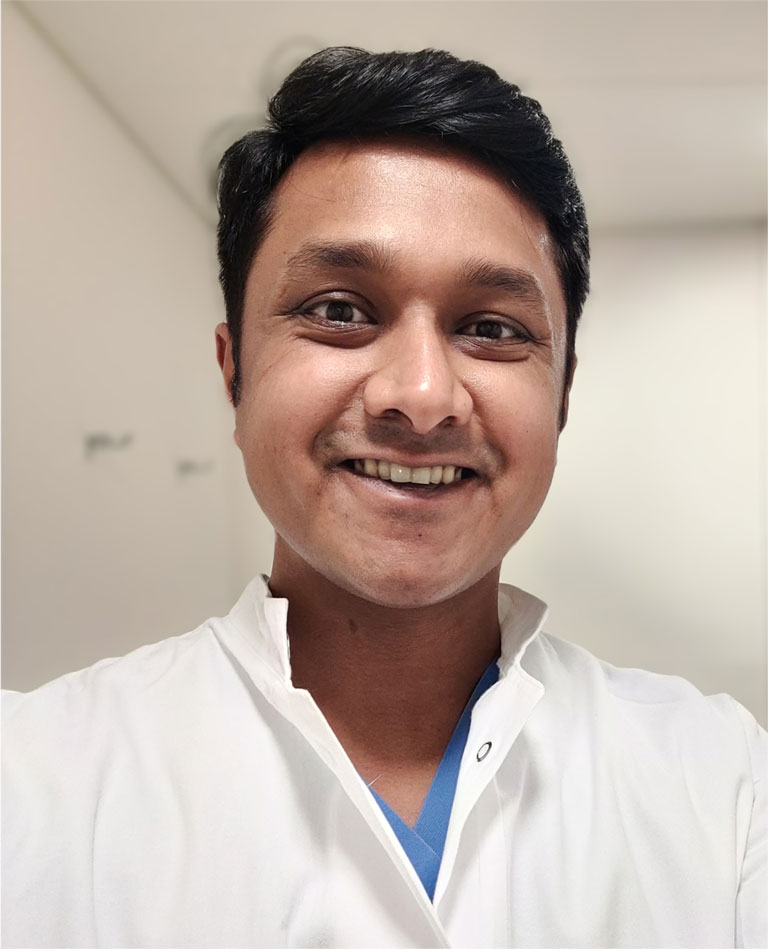
As Dr Vashisht Dikshit (experienced aesthetic surgeon in Mumbai), explains:
“Preventive aesthetics should never change a face. It should protect it. The moment treatment becomes visible, the purpose is lost.”
This philosophy underpins safety-focused cosmetic procedures rooted in restraint rather than excess.
Preventive Aesthetics vs Anti-Ageing: Not the Same Thing
The terms are often used interchangeably, but preventive aesthetics vs anti-ageing differ in intent.
Anti-ageing often implies reversal.
Preventive aesthetics focuses on delay and preservation.
It’s a proactive approach that supports:
- Skin ageing prevention techniques
- Long-term skin resilience
- Sustainable, natural outcomes
This distinction matters, especially for patients seeking long-term benefits of preventive aesthetics rather than short-term fixes.
Indian Skin, Indian Ageing Patterns
An important part of the conversation is preventive aesthetics for Indian skin.
Indian skin:
- Has higher melanin
- Is more prone to pigmentation
- Faces intense sun exposure
These factors influence treatment choices significantly. What works elsewhere may not translate directly. This is where internationally trained and experienced aesthetic surgeons in Indian skin biology make a meaningful difference.
The Role of Personalisation in Preventive Care
Preventive aesthetics is not a checklist; it’s a strategy.
Effective treatment relies on:
- Personalised aesthetic treatment planning
- Understanding facial anatomy
- Accounting for lifestyle, genetics, and environment
This approach aligns with patient-focused aesthetic care, where the goal is long-term skin health, not frequent procedures.
A Thought From Clinical Practice
According to Dr Vashisht Dikshit, preventive aesthetics works best when patients understand its purpose early:
“The most successful preventive treatments are the ones people don’t notice. When patients come back years later and say their face still feels like theirs, that’s when you know the approach has worked.”
This reflects a broader shift toward ethical aesthetic practice and evidence-based aesthetic medicine.
Is Preventive Aesthetics Better Than Surgery?
So, is preventive aesthetics better than surgery?
The honest answer:
They serve different stages of the ageing journey.
Preventive aesthetics:
- Helps maintain structure
- Preserves skin quality
- Often delays the need for surgical correction
Corrective surgery:
- Addresses advanced changes
- Restores structure when prevention alone isn’t enough
The real advantage lies in starting early and choosing wisely.
Thinking About Preventive Aesthetics? Start With the Right Questions
Preventive aesthetics works best when it begins with understanding, not urgency. If you're noticing early signs of ageing or simply want to learn how your skin is changing over time, a professional assessment can help you make informed, long-term decisions. Speaking to an experienced aesthetic surgeon can bring clarity about what truly suits your face, your skin, and your future.
What Readers Should Take Away
If there’s one thing to remember, it’s this:
Preventive aesthetics is not about doing more; it’s about doing things at the right time.
By focusing on:
- Early intervention
- Safety
- Personalisation
- Long-term skin health aesthetics
People are redefining how they age, and doing so on their own terms.
As awareness grows around preventive cosmetic treatments in India, the future of aesthetics looks less about correction and more about care, consistency, and confidence .